Jeroni Boscana (ca. 1775–1831)
Mallorcan missionary and pioneer ethnographer of the Native peoples of California
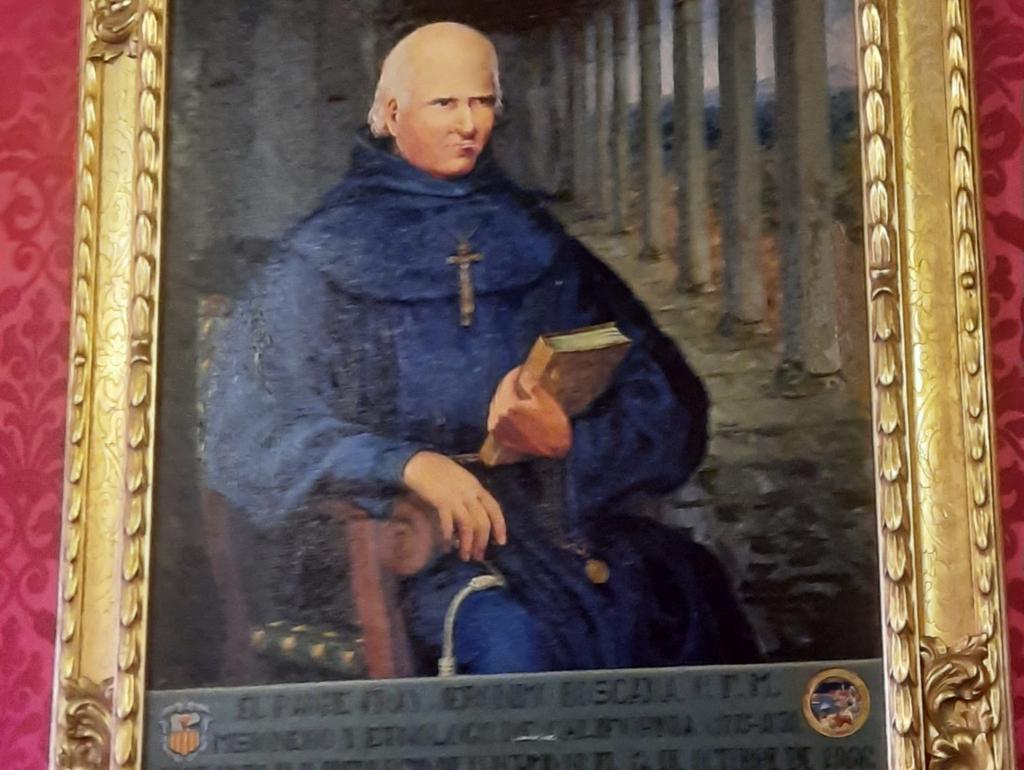
Jeroni Boscana, born in Llucmajor around 1775, was a Franciscan friar who became a prominent figure in the missionary history of California during the Spanish rule. He joined the Franciscan order at the convent of Jesús de Palma and was sent to the New World as a missionary.
Beginning in 1806, he worked at the Mission of San Juan Capistrano in Alta California (today the United States), where he lived with the indigenous Acjachemen (Juaneño) communities. In addition to his religious work, he was distinguished for being one of the first ethnographic chroniclers of the native peoples of the region.
His best-known work is the manuscript entitled:
“Chinigchinich: A Historical Account of the Origins, Customs, and Traditions of the Indians of San Juan Capistrano”,
Written around 1825 and considered a unique source on the pre-Hispanic culture of California.
This text was translated into English and published in 1846 by Alfred Robinson, and today it is studied as a reference for the indigenous history and anthropology of North America.
Jeroni Boscana died in 1831 in California, leaving a legacy that places him as one of the first Spanish ethnographers in America and as the llucmajorer with the greatest international projection of the 19th century.
📚 Did you know What…?
-
He was one of the few Spanish religious figures who documented in detail the Indigenous worldview, religion, and rituals before their transformation by colonization.
-
In California, his memory is collected in missionary and ethnographic study centers.
📌 Llucmajor and His Memory
Although little known locally, Geroni Boscana represents a unique link between Llucmajor and the early history of California. His figure is increasingly valued by historians and anthropologists, and he is part of Mallorca’s intellectual heritage beyond the Mediterranean.